
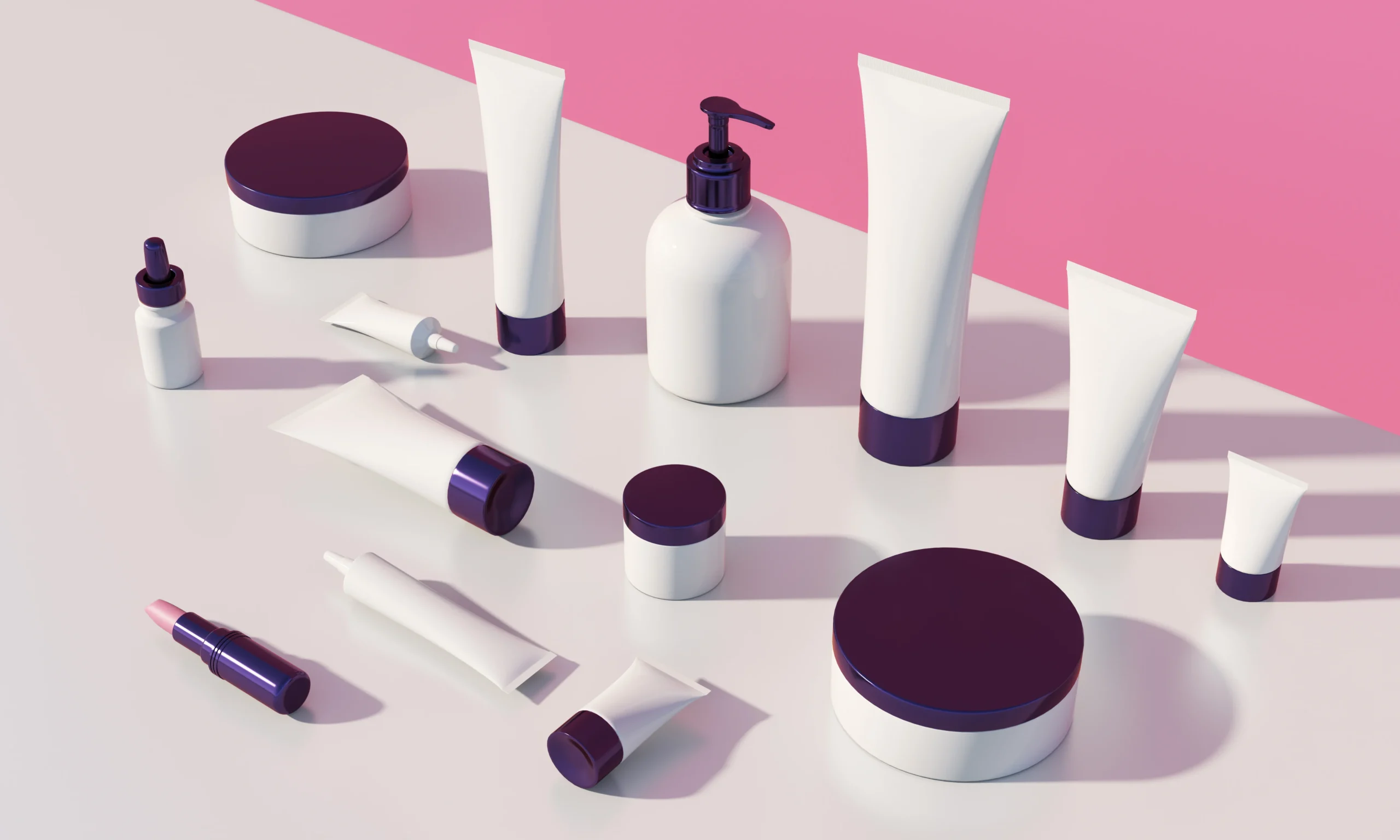
There has been a proliferation of new brands in the beauty industry in the past 10 years. Whether it is indie labels or startups that are led by influencers, the idea of launching a cosmetic line has never been easier. Social media, online marketplaces, and direct-to-consumer strategies have contributed to the reduction of the barrier to entry. However, whereas it has never been easier to launch a beauty brand, it is a different story when it comes to scaling it.
As customers increasingly require cleaner ingredients, effective formulations, sustainable packaging, and certification labels such as Halal or GMP, the backend operations are becoming more complicated. It may seem like a good idea to make your products, but the truth is: it is expensive, time-consuming and fraught with regulatory risks.
That is why a significant number of new and medium-sized beauty companies are resorting to third-party partners. The collaboration with professional manufacturers, particularly those that provide OEM and ODM solutions, has become one of the most feasible ways to expand. It allows you to concentrate on creating your brand and your audience, and the experts take care of the formulation, compliance and production.
This is how that plays out in practice and why it is becoming the model of choice for fast-moving, modern beauty businesses.
Why skip In-House Production?
The establishment of a cosmetic manufacturing plant is not a mere task. You will require special blending, filling, and packaging equipment; a trained technical staff; formulations that are stable and meet the health and safety regulations; and an R&D staff to innovate and test. Next, there are audits, certifications and quality control standards you have to pass before one of your products can reach the market.
All this involves not just capital, but experience in supply chain logistics and regulatory compliance. That is just too much to handle internally in the case of many young brands or niche players.
This is where OEM (Original Equipment Manufacturer) and ODM (Original Design Manufacturer) models enter the scene. You can do it by:
- Avoid high capital expenditure on machinery or lab space
- Shorten product development cycles.
- Access proven formulas and ingredients
- Ensure regulatory compliance from day one.
- Test market demand with smaller MOQs before scaling up
You concentrate on your core competencies—marketing, storytelling, and customer engagement—while your manufacturing partner ensures you have consistent, high-quality products delivered on time.
Using OEM Partners To Expand Your Catalogue
The majority of beauty brands begin with a hero product. It may be a serum, a shampoo, or a wellness oil. But once the momentum is created, customers start demanding more, including body care, masks, aromatherapy oils, and hair treatments. This is an enormous growth demand, but it can easily overextend a brand if the product development pipeline is not sound.
That is where a good OEM partner comes in. You don’t have to create something new each time; you can develop based on existing structures. A supplier with experience in multiple product categories, including essential oils, skincare, and hair care, can help you grow effectively.
As an example, aromatherapy can be used by wellness-oriented brands through the assistance of an OEM essential oil manufacturer. These partners usually already have access to pure, tested oils and can provide a private-label solution or even develop a custom blend that is unique to your brand.
Another big category is hair care, where customisation and speed-to-market are essential. By partnering with the right hair product manufacturer in Malaysia, you can create shampoos, conditioners, scalp serums, and treatments that cater to current consumer trends, such as sulfate-free, pH-balanced, or anti-hair fall solutions, without the hassle of sourcing ingredients or formulating products yourself.
Partnering Smartly: What To Look For In A Manufacturing Partner
Outsourcing production is not about giving up control; it is about collaborating with a person who can make your vision a reality in an efficient and compliant manner. The trick is to select a manufacturing partner who shares your brand values, business objectives and target market.
First, make sure you have the basics:
- Do they have GMP and Halal certification, and is that relevant to your market?
- Are they in-house R&D or do they have market-ready base formulations?
- Will they be able to increase production as your brand expands?
- What are their minimum order quantities (MOQs) and lead times?
- Do they provide packaging, design, and labelling services?
Don’t look at price, look at long-term value. The proper cosmetic manufacturer in Malaysia will not only save you the expense of making mistakes but will also open up new opportunities to your product line.
Consider them not only as a supplier, but also as a development partner. One that enables you to stay ahead of trends, regulatory changes, and deliver better products to market faster.
A More Innovative Way To Grow
Time and trust are the most essential things in the world of beauty, where everything is fast. Outsourcing your manufacturing to trusted OEMs and ODMs allows you to experiment with new categories, react to market changes, and continue to excite your customers, all without the headache of operating a factory.
This model is handy to brands that would like to expand their product range, say by launching into aromatherapy with essential oils, or by introducing complementary hair care lines, without having to become overnight experts in chemistry.
Scalability without compromising quality or speed is what will distinguish sustainable beauty businesses from short-term fads. And the correct OEM partnerships are all that matter.