
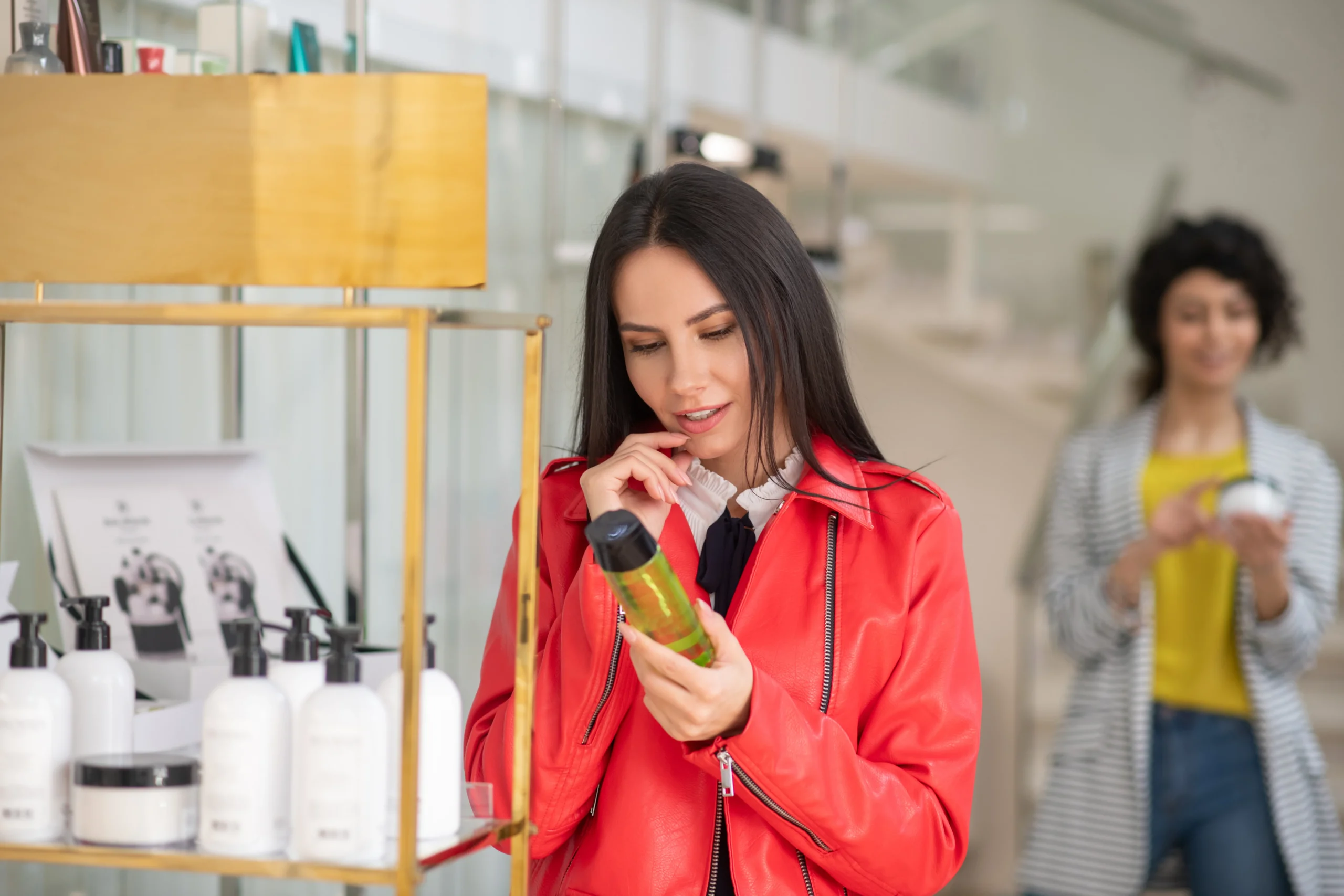
The beauty industry never stands still — trends evolve, consumer expectations shift, and innovation drives every purchase decision. As more businesses look to stand out in this highly competitive landscape, private label beauty products have become a strategic avenue for growth and brand identity.
At first glance, many assume private labeling is just a shortcut to enter the market faster. In reality, it’s a calculated decision that gives brands more control, higher margins, and stronger customer loyalty. Here’s why many Malaysian and global beauty brands are investing heavily in this model.
Greater Control Over Product Identity
Every beauty brand wants to be recognized for its unique story, values, and formulation standards. By investing in private label beauty products, brands gain complete creative control — from product formulation and packaging design to marketing strategy and pricing.
Unlike reselling or distributing existing lines, private labeling lets us build collections that reflect our philosophy, whether it’s clean beauty, halal certification, or eco-friendly ingredients. This freedom ensures our products truly represent our brand voice and resonate with our target customers.
Faster Time To Market And Cost Efficiency
Developing beauty products from scratch requires extensive R&D, testing, and certification — all of which demand time and significant capital. Private label beauty products provide a faster and more cost-effective route without compromising quality.
By partnering with experienced manufacturers, we leverage existing formulations and infrastructure. That allows us to launch products within months instead of years. This efficiency is especially crucial in Malaysia’s dynamic market, where trends like K-beauty, vegan skincare, and sustainable packaging shift rapidly.
In essence, private labeling empowers brands to stay agile — testing new concepts, responding to trends, and scaling quickly when consumer demand spikes.
Enhanced Profit Margins And Brand Value
For many beauty businesses, the biggest motivation behind private label beauty products is profitability. Because production costs are often lower than traditional OEM or imported brands, the profit margin per unit is significantly higher.
At the same time, selling under our own label boosts perceived value. Customers are willing to pay more for exclusive collections that can’t be found elsewhere. Over time, this exclusivity strengthens our brand positioning, transforming us from a reseller into a full-fledged beauty brand with loyal followers.
Building Consumer Trust Through Quality Assurance
Modern consumers, especially Malaysian millennials and Gen Z shoppers, care deeply about transparency and safety. They want to know what’s inside the products they apply daily.
By working closely with reliable manufacturers of private label beauty products, we can ensure each batch meets strict quality control standards — from sourcing ingredients ethically to achieving relevant certifications such as GMP or halal.
This hands-on involvement builds long-term trust. Customers not only appreciate effective products but also value the integrity behind the brand. In a market flooded with imported goods, local brands that uphold such standards stand out naturally.
Flexibility To Innovate And Differentiate
Innovation is the heartbeat of the beauty industry. Whether it’s hybrid skincare-makeup formulas, waterless products, or recyclable packaging, the ability to innovate keeps a brand relevant.
With private label beauty products, we can experiment with new textures, scents, and active ingredients tailored to local climate and skin types. For example, Malaysian consumers often seek lightweight, non-sticky formulations suited to tropical weather — something we can address directly through our private label development.
This adaptability allows brands to move beyond imitation and deliver solutions that genuinely fit regional preferences.
Strengthening Local Presence And Global Opportunities
As Malaysia continues to position itself as a hub for manufacturing and halal-certified cosmetics, there’s tremendous opportunity for regional brands to scale internationally. Private label beauty products act as the bridge — giving us both the foundation and flexibility to expand into Southeast Asian markets with consistent branding.
By investing in R&D partnerships and maintaining control over production, we can confidently pursue export opportunities, collaborate with global distributors, and meet diverse market regulations. What starts as a local venture can quickly evolve into a regional success story.
Conclusion
The shift toward private label beauty products isn’t just a passing trend — it’s a sign of maturity within the beauty ecosystem. For brands like ours, it means owning our narrative, ensuring product quality, and growing sustainably in a fast-moving industry.
By aligning creativity with control, efficiency with excellence, and vision with value, we’re not just following where the market goes — we’re helping shape its future.